
The health of the human body requires a variety of nutrients, and iron is one of them. Iron has the important function of transporting oxygen throughout the body, and an iron deficiency can affect our health. While there are many ways to supplement iron, traditional Chinese medicine believes that the safest way is dietary supplements. It’s important to be careful not to take to much, however. Iron presents health risks when taken in excess.
Iron is an indispensable element in the body. It is an important component of hemoglobin, myoglobin, and cytochrome. However, the body can’t produce iron on its own and has to derive it from food. If iron intake is too low and can’t make up for the body’s daily loss, it can lead to anemia.
Symptoms of iron deficiency include fatigue, cold hands and feet, tachycardia, shortness of breath, loss of appetite, and brittle nails. Iron deficiency in pregnant women can affect the future cognitive development of their children and even lead to anemia, low birth weight, and premature birth. Iron deficiency in children under two may also have irreversible serious consequences for brain development.
Iron is absorbed mainly through the gastrointestinal tract, transferred from the gut to the blood for storage, and then supplied to needed tissues and organs through the blood, Li Qing, a Chinese medicine doctor based in Japan, told The Epoch Times.
“[People] can usually get enough iron by having a balanced diet,” he said. “However, those with hemorrhagic anemia due to surgery, serious injury, gastrointestinal bleeding, gastrointestinal cancer, and other factors should take iron supplements under the guidance of a doctor.”
Foods With High Iron Content
For dietary supplementation, one can choose foods rich in iron to improve iron deficiency anemia. Iron-rich foods include (based on the amount of iron in 100g of cooked food):
- Beans, such as red beans, peas, soybeans, black beans, dried bean milk cream in tight rolls, etc. Among them, black beans contain 7.2 mg of iron and dried bean milk cream 16.5 mg.
- Seafood, such as clams, which contain 27.5 mg of iron.
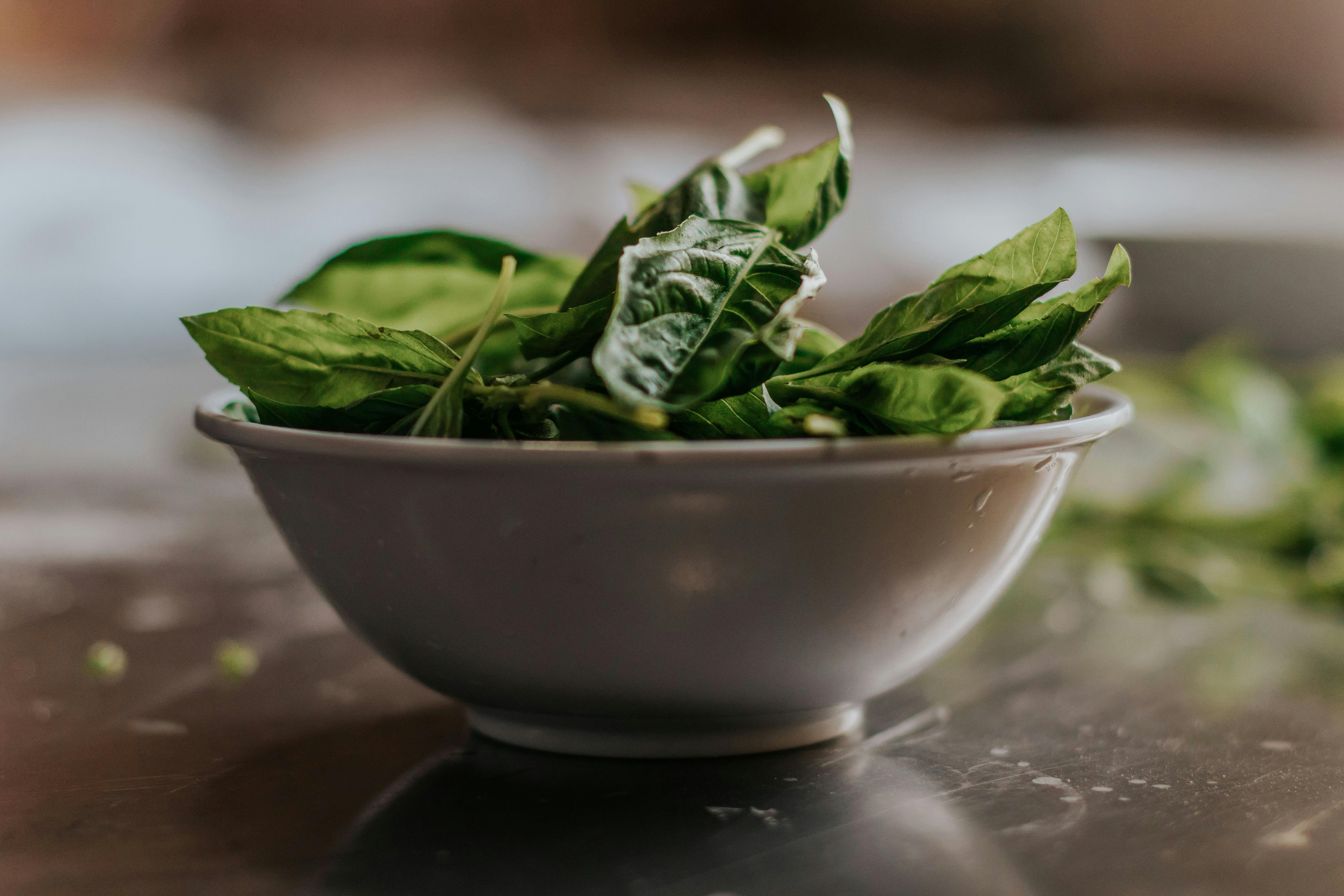
- Vegetables, such as spinach and broccoli, which have 3.6 mg and 1.0 mg of iron, respectively. Spinach is also a good source of vitamin C, which greatly improves the absorption of iron.
- Nuts, such as hazelnuts, almonds, and walnuts, which have 3.2 mg, 3.0 mg, and 2.9 mg of iron, respectively.
- Dried fruits, such as raisins, black dates, and red dates, which have 3.8 mg, 3.7 mg, and 2.3 mg of iron, respectively.
It’s worth noting that pork liver contains 17 mg of iron. The liver and other organs of most animals are rich in iron as well. However, it is not recommended to eat them too often because they are high in cholesterol and fat.
To better absorb iron-rich foods, Li suggests combining them with fruits and vegetables rich in vitamin C, such as kiwifruit, orange, strawberry, tomato, and green leafy vegetables.
In addition, using an iron pot to cook can also help with daily iron supplements. The iron on the wall of the skillet or wok falls off under the scrape of utensils. After coming into contact with acidic substances in food, chemical reactions occur and produce iron ions, which are mixed into food and increase the iron content in food. In this way, the body can constantly be replenished with trace iron elements.
Li reminds readers that if you do not have iron deficiency anemia, do not eat a large amount of food with high iron content, so as to avoid iron excess, which may affect liver function.
Important Notice: This article was originally published at www.theepochtimes.com by Ellen Wan where all credits are due.
Disclaimer
The watching, interacting, and participation of any kind with anything on this page does not constitute or initiate a doctor-patient relationship with Veripeudic.com. None of the statements here have been evaluated by the Food and Drug Administration (FDA). The products of Veripeudic.com are not intended to diagnose, treat, cure, or prevent any disease. The information being provided should only be considered for education and entertainment purposes only. If you feel that anything you see or hear may be of value to you on this page or on any other medium of any kind associated with, showing, or quoting anything relating to Veripeudic.com in any way at any time, you are encouraged to and agree to consult with a licensed healthcare professional in your area to discuss it. If you feel that you’re having a healthcare emergency, seek medical attention immediately. The views expressed here are simply either the views and opinions of Veripeudic.com or others appearing and are protected under the first amendment.
Veripeudic.com promotes evidence-based natural approaches to health, which means integrating her individual scientific and clinical expertise with the best available external clinical evidence from systematic research. By individual clinical expertise, I refer to the proficiency and judgment that individual clinicians acquire through clinical experience and clinical practice.
Veripeudic.com does not make any representation or warranties with respect to the accuracy, applicability, fitness, or completeness of any multimedia content provided. Veripeudic.com does not warrant the performance, effectiveness, or applicability of any sites listed, linked, or referenced to, in, or by any multimedia content.
To be clear, the multimedia content is not intended to be a substitute for professional medical advice, diagnosis, or treatment. Always seek the advice of your physician or other qualified health providers with any questions you may have regarding a medical condition. Never disregard professional medical advice or delay in seeking it because of something you have read or seen in any website, video, image, or media of any kind. Veripeudic.com hereby disclaims any and all liability to any party for any direct, indirect, implied, punitive, special, incidental, or other consequential damages arising directly or indirectly from any use of the content, which is provided as is, and without warranties.



